8.1(Q1)
CiteScore
37
h-index

Facts & Figures

h-Index (Google Scholar)

37

i10-Index

 98

Citation (Google Scolar)

4134

CiteScore 2024

8.1

SNIP 2023

1.144

Scopus Quartile 2024

Q1

Scimago Quartile 2024

Q2

Scopus h-index

27

Issue per year

4

Number of volumes

8

Number of Issues

30

Number of submissions

574

Published articles

175

Rejected submissions

366

Acceptance rate

30

Accept date (Days)

52

Number of contributors

606

Article view

10,856,140

PDF download

43,015,754

View per article

62035.09

PDF download per article

245804.31

Number of reviewers

9585

Number of indexing databases

20

Journal of Chemical Reviews (J. Chem. Rev.) was launched in 2018  by Sami Publishing Company with cooperation of Iranian Chemical Science and Technologies Association. This double blind peer-reviewed scientific journal published Quarterly. It publishes Review and short Review articles on all aspects of chemistry. All significant developments in all fields of Chemistry are welcomed for submission. The journal is Open Access  and all articles published in this journal are freely available for readers online  without a subscription and authors retain the copyright of their work.
The average time between submission and final decision is six weeks and the average time between acceptance and publication is four weeks. All submitted manuscripts are checked for similarity through a trustworthy software named iThenticate to be assured about its originality and then rigorously double blind peer-reviewed by the international reviewers. Note: Based on the increase of good and quality articles in the JCR journal, we decided that in 2026, this journal will be published as a Bimonthly (6 issues per year). We will use all our expertise and commitment to maintain quality and adhere to publishing ethics. Please support your journal. The acceptance rate of Asian J. Chem. Rev. was 26% in 2025. The average time between submission and final decision is 4-6 weeks and the average time between acceptance and publication is 2-3 weeks. 

Journal of Chemical Reviews is indexed in the Scopus  Q1 (Scopus, 88%), Q2 (Scimago, SJR 2024=0.688, h-index=22), Citescore 2024=8.1, SNIP=1.144,

Category in the Scopus 

  1. Environmental Science (Environmental Science (miscellaneous)), Rank=32/271, Percentile=88th= Q1
  2. Chemistry (Organic Chemistry), Rank=32/212, Percentile=84th= Q1
  3. Biochemistry, Genetics and Molecular Biology(Biochemistry), Rank=89/441, Percentile=79th= Q1
  4. Chemistry (Chemistry (miscellaneous)), Rank=16/111, Percentile=86th= Q1

Recent Progress in Heterogeneous Catalysis for Sustainable Chemical Processes

Recent Progress in Heterogeneous Catalysis for Sustainable Chemical Processes

Pages 154-179

https://doi.org/10.48309/jcr.2026.535464.1482

Patibandla Jahnavi, A. Kiran Kumar, S. Prema, Venkata Ramana Singamaneni, Nithin Vidiyala, Pavani Sunkishala, Soniya Rani, Prem Shankar Gupta

Abstract Recent advances in heterogeneous catalysis have significantly propelled the development of sustainable chemical processes, addressing key challenges in green chemistry. Metal-based catalysts—including nanostructured and single-atom types—have demonstrated remarkable improvements in activity and selectivity, with turnover frequencies (TOFs) reaching up to 250 h⁻¹ and product selectivities exceeding 90% in biomass conversion and CO₂ utilization. These capabilities enable efficient transformation of renewable feedstocks into value-added chemicals and fuels. Zeolite and mesoporous catalysts maintain high thermal stability (up to 600 °C) and tunable pore sizes (~2-50 nm), which are crucial for enhancing the catalytic performance in fine chemical synthesis and waste valorization. Emerging materials, such as metal–organic frameworks (MOFs) and carbon-based catalysts, provide high surface areas (often exceeding 1500 m²/g) and novel active sites, resulting in improved recyclability and catalytic lifetimes of over 50 cycles. Advances in catalyst design, particularly bimetallic and multimetallic systems, have led to synergistic effects, increasing conversion rates by 30–50% compared to their monometallic counterparts. Surface modification techniques have further improved catalyst durability, reducing deactivation rates by up to 40%. Photocatalysis and electrocatalysis are gaining momentum, achieving solar-to-hydrogen efficiencies of 10-15%, especially in water splitting and hydrogen production, thus facilitating the integration of renewable energy into chemical manufacturing. Despite the ongoing challenges in catalyst scale-up, deactivation, and economic feasibility, recent developments in reactor engineering and catalyst regeneration have reduced production costs by 15–20%. Additionally, the incorporation of AI and machine learning in catalyst discovery has accelerated the identification of novel candidates using optimized metrics, such as energy efficiency and reaction specificity. Overall, the integration of innovative catalytic systems with green feedstocks and renewable energy paves the way for sustainable, efficient, and economically viable chemical processes that support long-term global sustainability goals.

Molecular Mechanisms of Polyphenols in Skin Cancer Therapy: Advances and Future Perspectives

Molecular Mechanisms of Polyphenols in Skin Cancer Therapy: Advances and Future Perspectives

Pages 180-213

https://doi.org/10.48309/jcr.2026.538065.1489

Priya Modhugur Sathyanarayanan, Ramya Gollamudi, Deepankar Rath, Saswati Panigrahi, Laliteshwar Pratap Singh, Nihar Ranjan Kar, Rajesh Kumar Sharma, Shah Raj Ali, Amit Kumar, Uttam Prasad Panigrahy

Abstract Globally, skin cancer, including melanoma, basal cell carcinoma, and squamous cell carcinoma, is a significant health concern that requires the development of novel therapeutic strategies. Natural remedies and polyphenols are being studied as potential therapeutics for skin cancer. The chemopreventive properties of phytocompounds and polyphenols against skin cancer metastasis are discussed in this study. Polyphenols such as anthocyanins, EGCG, punicalagin, quercetin, resveratrol, and theaflavin have chemopreventive properties and are primarily studied for their treatment of melanoma. This review also discusses recent advancements in understanding the molecular mechanisms behind the anticancer properties of natural compounds, specifically polyphenols. These effects are caused by changes in pathways such as EGFR/MAPK, mTOR/PI3K/Akt, JAK/STAT, FAK/RTK2, PGE-2/VEGF, and PGE-1/ERK/HIF-1α. These changes are also influenced by signals such as NF-κB, Bim, Bax, Bcl-2, Bcl-x, Bim, Puma, Noxa, ILs, and MMPs. This study focuses on how these factors can impact crucial signaling pathways such as oxidative stress, proliferation, apoptosis, and inflammation linked to cancer development. The study explores the potential of polyphenols in conjunction with traditional treatments to enhance patient outcomes and minimize side effects. Polyphenols' chemopreventive actions against skin carcinogenesis and metastasis, involving numerous signaling pathways, indicate their potential for developing new anti-skin cancer therapeutic approaches. Future research should focus on preclinical and clinical studies to validate the efficacy and safety of natural remedies and polyphenols in combating skin cancer.

Electroactive Clay Polymer Nanocomposites for Sustainable Device Applications

Electroactive Clay Polymer Nanocomposites for Sustainable Device Applications

Pages 214-240

https://doi.org/10.48309/jcr.2026.537691.1488

R.M.G. Rajapakse, Theekshana Malalagama, Yasas Bandara, Ho Soon Min

Abstract Clay–conducting polymer nanocomposites (CPNs) have gained attention as versatile materials that are easy to produce and useful across a wide range of technologies. Combinations of montmorillonite (MMT) clay with electronically conducting polymers (ECPs) such as polyaniline (PANI), polypyrrole (PPY), and poly(ethylenedioxythiophene) (PEDOT) stand out. These materials combine mechanical strength with the ability to conduct electricity, making them multifunctional. This review explores the development of MMT–ECP nanocomposites from early electroactive films to their growing roles in sustainable energy, industrial waste management, environmental cleanup, wastewater treatment, biomedical devices, and smart packaging. Different methods used to make these materials, such as in situ oxidative polymerization, solution intercalation, and electrochemical deposition are discussed. Each method influences how well the clay layers separate, how the polymer spreads, and how strongly the components bond together. Additionally, the effect of the structure of these nanocomposites on their performance is assessed, using tools such as spectroscopy, microscopy, electrochemistry, and thermal analysis. Their applications in areas including supercapacitors, solid-state batteries, electromagnetic interference (EMI) shielding, chemical sensors, and water purification are reviewed, with special attention to eco-friendly processes and systems that can integrate with biological environments. The review emphasizes strategies aimed at meeting performance needs without compromising sustainability. Cross-sectoral relevance is highlighted, spanning well-established areas such as energy storage alongside emerging fields such as biomedical systems and smart packaging. By bringing together insights from materials science, nanotechnology, and electrochemistry, these nanocomposites offer a promising foundation for building the green technologies of the future.

A Comprehensive Review of Heavy Metal Contamination and Sustainable Nanomaterials in Environmental and Economic Considerations

A Comprehensive Review of Heavy Metal Contamination and Sustainable Nanomaterials in Environmental and Economic Considerations

Pages 241-268

https://doi.org/10.48309/jcr.2026.539008.1490

Butti Venkatesh, Kuldeep K Saxena, N. D. Raja, Ashish Kumar, Rakesh Chandrashekar, Vijayakumar Sivasundar, Bandhavi Challa, P. Satishkumar, Lakshita Sehgal

Abstract Human-made processes were causing severe heavy metal contamination at surface waters that creates more health hazards in industrial development. Nanomaterials have good qualities because they have more specific surface areas and organic properties and comply with ecologically friendly production orders. In this paper, the heavy metal remediation was studied through the examination of bio- based nanostructures and hybrid nanomaterials. The paper has discussed metal efficiency in terms of de-decomposing the removal mechanisms that involving plant extracts, microbial pathways and also life cycle assessment, the economic needs necessary to sustain long term operations. Recent advances in smart nanomaterials based on bio-hybrid systems and multi-functional nanocomposites have defined the new trends that shape the materials sector. The paper is a review article that considers the potential of sustainable nanomaterials in the remedial process of heavy metals to devise the optimal methods of synthesis and precondition sustainable industrial utilisation of the synthetic materials in the cleaning of the environment.

Monoglycerides of Fatty Acids Occurrence in Nature: Synthesis, Properties, and Uses

Monoglycerides of Fatty Acids Occurrence in Nature: Synthesis, Properties, and Uses

Pages 269-295

https://doi.org/10.48309/jcr.2026.553725.1517

Nurbol Appazov, Bekzhan Alimkhan, Anipa Tapalova, Esenzhol Nazarov, Gulzat Askarova, Banu Diyarova

Abstract Monoglycerides are monoacyl derivatives of glycerol that occur naturally in vegetable oils and animal tissues, where they perform key metabolic and structural functions. Industrial production relies primarily on esterification or glycerolysis, using chemical or enzymatic catalytic systems. Recent developments emphasize lipase-catalyzed processes and intensified technologies (ultrasound, microreactors, and supercritical media), which improve selectivity, reduce energy consumption, and support sustainable manufacturing. Due to their distinctive physicochemical behavior, including self-assembly, crystallization, and polymorphism, monoglycerides are widely exploited as emulsifiers and oil structuring agents in the food industry, as matrix-forming lipids in drug-delivery systems (cubosomes and lipid nanocarriers), and as functional components in biomedical and cosmetic formulations. Monolaurin demonstrates particularly strong antimicrobial and antiviral activity, expanding the interest in monoglycerides as high-value bioactive molecules. This review consolidates current knowledge on the natural occurrence, synthesis strategies, and multifunctional applications of monoglycerides, highlighting research trends and technological opportunities relevant to food chemistry, pharmaceuticals, biotechnology, and green processing.

Chalcones: Multifunctional Scaffolds Bridging Synthesis, Structure–Activity Relationships, and Therapeutic Applications: A Review

Chalcones: Multifunctional Scaffolds Bridging Synthesis, Structure–Activity Relationships, and Therapeutic Applications: A Review

Pages 296-321

https://doi.org/10.48309/jcr.2026.547064.1503

Mohammad Murwih Alidmat, Abdallah Alshhab, Mamoon Alokour

Abstract Chalcones, characterized by the α,β-unsaturated carbonyl scaffold that links two aromatic rings, have garnered extensive interest as versatile intermediates in organic synthesis and as promising pharmacophores in medicinal chemistry. Their facile synthesis, structural modifiability, and broad spectrum of biological activities—including anticancer, antimicrobial, antioxidant, anti-inflammatory, and antiviral effects—have made them valuable scaffolds for drug discovery. This review comprehensively summarizes recent advances in chalcone chemistry, highlighting synthetic methodologies with an emphasis on green approaches, key structural modifications, and their impact on biological efficacy. Structure–activity relationship analyses and computational studies provide insights into the molecular mechanisms underlying chalcone bioactivities and guide the rational design of new derivatives. Future perspectives focus on enhancing chalcone pharmacokinetics, employing advanced computational tools, and expanding in vivo studies to realize their therapeutic potential. This consolidation of current knowledge aims to assist researchers in harnessing chalcones for novel drug development.

A Perspective on Ibuprofen Adsorption Studies from Aqueous Solutions by Activated Carbon-Based Adsorbents: A Review

A Perspective on Ibuprofen Adsorption Studies from Aqueous Solutions by Activated Carbon-Based Adsorbents: A Review

Pages 322-348

https://doi.org/10.48309/jcr.2026.548146.1504

Ghazaleh Kouchakzadeh, Fatemeh Kazami Zahabi

Abstract The persistent presence of Ibuprofen (IBP) in surface and wastewater represents a growing environmental and public health concern, prompting extensive research into effective removal strategies. Among available treatment approaches, adsorption using activated carbon and other carbon-based materials has proven to be efficient, versatile, and economically feasible. This review provides a critical analysis of recent progress in the synthesis and modification of activated carbons, biochars, metal–organic framework-derived carbons, and magnetic composites for the adsorption of IBP from aqueous solutions. Key aspects discussed include synthesis methods, surface functionalization techniques, adsorption isotherms, and kinetic modeling, and the influence of operational parameters such as pH, temperature, adsorbent dosage, and the presence of competing substances. The adsorption mechanism is predominantly governed by π–π stacking, hydrogen bonding, hydrophobic interactions, electrostatic attraction, and pore-filling effects, with enhanced removal generally occurring under acidic conditions. Although many newly developed adsorbents demonstrate high capacity and satisfactory regeneration performance, most reported studies are limited to laboratory-scale conditions with IBP concentrations significantly higher than those typically found in real wastewater. Future research should focus on developing low-cost, waste-derived adsorbents, conducting experiments under realistic environmental conditions, optimizing regeneration processes, and integrating adsorption with complementary treatment technologies to achieve practical, scalable, and sustainable removal of pharmaceutical contaminants from aquatic environments.

Coffee Metabolomics, Bioassays, and Sensory Profiles: A Critical Review

Coffee Metabolomics, Bioassays, and Sensory Profiles: A Critical Review

Articles in Press, Accepted Manuscript, Available Online from 23 January 2026

https://doi.org/10.48309/jcr.2026.560615.1532

Lestyo Wulandari, Gunawan Indrayanto, Mochammad Yuwono

Abstract Coffee is a chemically rich beverage whose sensory quality and bioactivity are shaped by cultivar, post‑harvest processing, roasting, and brewing. Comprehensive metabolomic and targeted analyses identify chlorogenic acids, caffeine, trigonelline, diterpenes, simple phenolic acids, melanoidins, and numerous Maillard‑ and lipid‑derived volatiles as recurring families. This critical review synthesizes chemical profiling (LC‑MS, HR‑MS, NMR, and GC‑MS), antimicrobial and antifungal bioassays, and sensory science to map structure–function relationships, highlight isomer‑specific roles in acidity and aroma formation, and evaluate reported biological activities. While many coffee constituents show in vitro antimicrobial, antibiofilm, and metabolic‑modulating effects, reported MIC/IC50 values vary widely across studies and sample matrices, and most bioassays lack essential validation and microbial authentication. Likewise, untargeted metabolomics frequently omits quantitative validation and orthogonal confirmation of isomers, limiting confidence in compositional–functional links. Therefore, routine reporting of validation metrics (selectivity, linearity, accuracy, precision, and LOD/LOQ), authenticated strains, and cell lines is recommended. Implementing these practices will strengthen the connection between verified compound concentrations, sensory outcomes, and translational bioactivity, while prioritizing specific coffee metabolites and processing steps for future sensory optimization and clinical validation.

<em>In Situ</em> Gel Based Smart Drug Delivery Systems: Chemical Insights and Application in Diabetes

In Situ Gel Based Smart Drug Delivery Systems: Chemical Insights and Application in Diabetes

Articles in Press, Accepted Manuscript, Available Online from 25 December 2025

https://doi.org/10.48309/jcr.2026.549617.1507

Ratakonda Deepak Srinivas, P. Shanmugasundaram, J. Sangeetha, Venkata Ramana Singamaneni, Patibandla Jahnavi, Prem Shankar Gupta, A. Anka Rao, P. Balaji

Abstract Stimuli-responsive in situ gel-based smart drug delivery systems represent an innovative approach to diabetes therapy that addresses the limitations of conventional formulations, such as poor bioavailability, short drug half-life, and frequent dosing. These systems undergo sol-to-gel transitions in response to physiological stimuli, including pH, temperature, ions, and enzymatic activity, enabling controlled and prolonged drug release. Synthetic polymers such as poloxamers, poly (ethylene glycol) (PEG) derivatives, and poly(N-isopropylacrylamide) (PNIPAAm) allow the precise modulation of gelation behavior, stability, and physicochemical properties. Due to their biocompatibility and stimuli-responsiveness, in situ gels have been explored via oral, nasal, ocular, injectable, and transdermal routes for the delivery of insulin, oral hypoglycemics, and peptide-based drugs. Recent advances have integrated nanoparticles and glucose-sensitive components for feedback-regulated insulin release, closely mimicking pancreatic β-cell function, and improving therapeutic precision. Despite challenges, such as limited mechanical strength, gelation variability, and regulatory constraints, continued progress in polymer chemistry, nanotechnology, and biomaterial design is expected to overcome these barriers. Collectively, the in-situ gel-based delivery systems offer a promising, patient-friendly, and physiologically adaptive platform for next-generation diabetes management.

A Short Review on Sodium Aluminosilicates: Natural Sources, Synthesis, and Applications

A Short Review on Sodium Aluminosilicates: Natural Sources, Synthesis, and Applications

Articles in Press, Accepted Manuscript, Available Online from 02 February 2026

https://doi.org/10.48309/jcr.2026.568481.1560

Nurbol O. Appazov, Meruyert Tolegenkyzy, Anel S. Serikkul, Roza A. Narmanova, Yesenzhol A. Nazarov, Klara Kh. Darmagambet, Guldana S. Dairbekova

Abstract This review presents contemporary perspectives on the nature, synthesis methods, and application areas of sodium aluminosilicates as one of the most in-demand classes of silicate materials. Geochemical mechanisms of the formation of sodium-containing aluminosilicates in magmatic, metamorphic, and sedimentary systems are considered, including pressure-induced structural transformations of amorphous phases, features of crystallization of minerals of the nepheline group, and the role of alkali elements in the evolution of the silicate network. Experimental and technological approaches to the synthesis of sodium aluminosilicates are summarized, ranging from geopolymerization and alkaline activation of technogenic wastes to thermal treatment of ashes, slags, and biomass. Special attention is paid to the mechanism of formation of sodium-aluminosilicate hydrate (N-A-S-H) gels, the influence of activator composition, phase transformations, and the possibilities for controlling the structure and properties of the resulting materials. The review demonstrates a wide range of applications of sodium aluminosilicate systems, including construction and composite materials, sorption and catalytic processes, protective and functional coatings, water treatment, soil stabilization, and the utilization of technogenic wastes. Prospects for the development of energy-efficient technologies for producing sodium aluminosilicates from alternative raw materials are outlined, along with approaches to enhancing the durability, structural stability, and functionality of these materials for industrial and environmental applications.

Computational Fluid Dynamics Guided Design of Antifouling Surface Patterned Membranes: A Review

Computational Fluid Dynamics Guided Design of Antifouling Surface Patterned Membranes: A Review

Articles in Press, Accepted Manuscript, Available Online from 23 February 2026

https://doi.org/10.48309/jcr.2026.570067.1563

Nafiu Umar Barambu, Sri Mulyati, Cut Meurah Rosnelly, Muhammad Roil Bilad, Nasrul Arahman

Abstract Imposing feed turbulence flow in the membrane filtration system alleviates membrane fouling and enhances the overall membrane performance. Computational fluid dynamics (CFD) simulation provides easy access to visualizing the hydrodynamic performance of any design and technique employed for generating the membrane feed turbulence flow. Among several membrane feed turbulence flow generation techniques, membrane surface patterning and turbulence promoters are the most prominent. By patterning the surface of a membrane, the antifouling performance of the membrane improved by up to 58%. Moreover, by adjusting the operating velocity from 30 to 50 cm/s, the membrane hydraulic performance was enhanced by 20%. Furthermore, the antifouling performance of feed turbulence flow depends on operating parameters including the feed flow direction towards the turbulence generator. By reorienting the feed flow from parallel to perpendicular to the membrane surface patterns, the membrane lifespan improved by up to 14.4%. Therefore, for several decades many authors explored CFD to simulate the performance of the feed turbulence generation techniques prior to validation to save costs, time, and to obtain optimum design and operating parameters. Thus, many authors reviewed the CFD simulation results of the hydrodynamic performance of turbulence promoters while ignoring that of the surface patterning technique. This study aims to review the CFD simulation results of the hydrodynamic performance of membrane surface patterning by examining the patterns design and operating parameters performance and limitations as well as identifying the potential research avenues in the field.

Toothpastes Formulated with Natural Ingredients: Composition, Preparation, and Properties

Toothpastes Formulated with Natural Ingredients: Composition, Preparation, and Properties

Articles in Press, Accepted Manuscript, Available Online from 18 February 2026

https://doi.org/10.48309/jcr.2026.561586.1555

Saniya Dyussekeyeva, Mehmet Öztürk, Shynar Zhumagaliyeva, Nurgul Sultanova

Abstract Recent research highlights the growing interest in including plant extracts in toothpastes due to their antimicrobial, anti-inflammatory, and antioxidant properties. The purpose of this review is to analyze the available data on the chemical composition of plant extracts used in toothpastes, to study their functional properties, mechanisms of action, and potential applications as alternatives to traditional components of toothpastes. This review systematically summarizes data from reputable scientific sources regarding the use of natural ingredients in dentistry. The main classes of biologically active compounds, including phenolic compounds, terpenoids, and alkaloids, as well as their effects on oral health, have been thoroughly studied. The mechanisms of their action, interaction with traditional ingredients of toothpastes, and their influence on the physical and chemical properties of the final product are analyzed. Special attention is paid to the composition and technologies used in toothpastes, which include natural biologically active complexes, as along with considerations of their environmental safety and prospects for further research in this field. The data obtained indicate the high potential of plant extracts as functional components of toothpastes and emphasize the prospects for further research aimed at optimizing their composition and expanding the scope of application.

Advances in Carbon-Based Nanomaterials: From Graphene to Quantum Dots

Advances in Carbon-Based Nanomaterials: From Graphene to Quantum Dots

Articles in Press, Accepted Manuscript, Available Online from 16 February 2026

https://doi.org/10.48309/jcr.2026.565020.1553

Pericharla Venkata Narasimha Raju, Phanindra Erukulla, Jeslin D., J. Priyanga, Ashutosh Pathak, M. Jeevitha, A. Anka Rao, I. Somasundaram

Abstract Carbon-based nanomaterials have emerged as a transformative class of materials, owing to their unique structural, electronic, optical, thermal, and mechanical properties. Since the discovery of two-dimensional graphene and one-dimensional carbon nanotubes, the field has rapidly expanded to include zero-dimensional carbon quantum dots, graphene quantum dots (GQDs), and hybrid composites. This review collates recent advances in carbon-based nanomaterials, tracing the evolution of graphene from nanotubes to quantum dots, and examines their classification, structure–property relationships, synthesis routes, characterization modalities, and application landscapes. A historical overview of carbon allotropes and nanomaterials is initially presented, and the motivation and scope of this comprehensive treatment is provided. Following the classification of materials into 0D (fullerenes, CQDs/GQDs), 1D (CNTs), 2D (graphene, graphene oxide, derivatives), and hybrid composites, we explored how their atomic bonding (sp², sp³), defects, doping, edge effects, and quantum confinement determine their performance. Synthesis strategies such as exfoliation, chemical vapor deposition (CVD), arc discharge, laser ablation, and top-down/bottom-up approaches for quantum dots have been described. We then detail characterization techniques, including TEM, SEM, AFM, XRD, Raman spectroscopy, photoluminescence, UV-Vis, XPS, FTIR, and advanced time-resolved methods. We examined major applications in energy storage and conversion, sensing, biomedicine, catalysis, the environment, and optoelectronics. Finally, challenges such as scalability, reproducibility, stability, toxicity, and integration into devices are critically discussed and future directions for hybrid systems, computational design, and multifunctional platforms are outlined. Through this review, we synthesized major advances and key takeaways, offering an outlook on the next five to ten years of carbon-based nanomaterial research and implementation.

Hydroxyapatite Biomaterials: A Comprehensive Review of their Properties, Structures, Medical Applications, and Fabrication Methods

Hydroxyapatite Biomaterials: A Comprehensive Review of their Properties, Structures, Medical Applications, and Fabrication Methods

Volume 6, Issue 1, Winter 2024, Pages 1-26

https://doi.org/10.48309/jcr.2024.415051.1253

Rebaz Obaid Kareem, Niyazi Bulut, Omer Kaygili

Abstract A researcher needs to know all the chemical, physical, biological, structural, and mechanical characteristics of a biomedical material before using it in medical applications. The mineral hydroxyapatite (HAp, Ca10(PO4)6(OH)2) is an essential component of the calcium orthophosphate family. It possesses great dielectric and biological compatibility properties, diamagnetic properties, thermal stability, osteoconductivity, and bioactivity, which has a Ca:P molar ratio of 1.67. Since HAp has a chemical makeup that is very similar to that of natural bone and teeth, it has the potential to be utilized as a material for the implantation of implants in broken parts of the human skeletal system. Because of the increasing use of HAp in medicine, many methods for producing HAp nanoparticles have been discovered. The preparation conditions of synthesized HAp determine their physical and chemical characteristics, crystalline structure, and shape. This study gives a comprehensive information on the properties and production methods of the HAp in detail and unveile the structure and its properties in detail.

A Review on Conducting Polymers-Based Composites for Energy Storage Application

A Review on Conducting Polymers-Based Composites for Energy Storage Application

Volume 1, Issue 1, Winter 2019, Pages 19-34

https://doi.org/10.33945/SAMI/JCR.2019.1.1934

Thomas Odey Magu, Augustine U. Agobi, LOUIS HITLER, Peter Michael Dass

Abstract Conducting polymers (CPs) have been gathering a great interest in academia and industry by providing the opportunity of combining the electrical properties of a semiconductor and metals with the traditional advantages of conventional polymers such as easy and low cost preparation and fabrication. In this review we examined the conducting polymers-based composites for supercapacitor and batteries, such as conducting polymer-based binary, ternary, and quaternary composites. For their applications in energy storage field, we critically review the development of their applications and the general design rules for energy storage devices including supercapacitors, lithium and other -ions batteries, and their current limitations and future potential to advance energy storage technologies. It is expected that this review will help to improve the knowledge about this conducting polymer and consequently lead to new research fields.

A Concise Review on Synthesis of Sulfoxides and Sulfones with Special Reference to Oxidation of Sulfides

A Concise Review on Synthesis of Sulfoxides and Sulfones with Special Reference to Oxidation of Sulfides

Volume 1, Issue 2, Winter 2019, Pages 99-113

https://doi.org/10.33945/SAMI/JCR.2019.1.99113

Ravindra V. Kupwade

Abstract A large variety of organosulfur compounds have been shown to having diverse biological effects such as anti-oxidant effects, anti-inflammatory properties, inhibition of platelet aggregation, reduction of systolic blood pressure, and reduction of cholesterol. Among these, sulfoxides and sulfones show wide and significant applications as commodity chemical in various fields of chemistry. Therefore, synthesis of sulfoxides as well as sulfones has remained a point of attraction for synthetic organic chemists. Among array of methods used to synthesize the sulfoxides or sulfones, oxidation of sulfide is the most convenient way. This review precises chemoselective methods for the synthesis of the sulfoxides as well as sulfones focusing on oxidative protocols. This review will aid researchers to explore and utilise the mentioned protocols for different organic transformations.

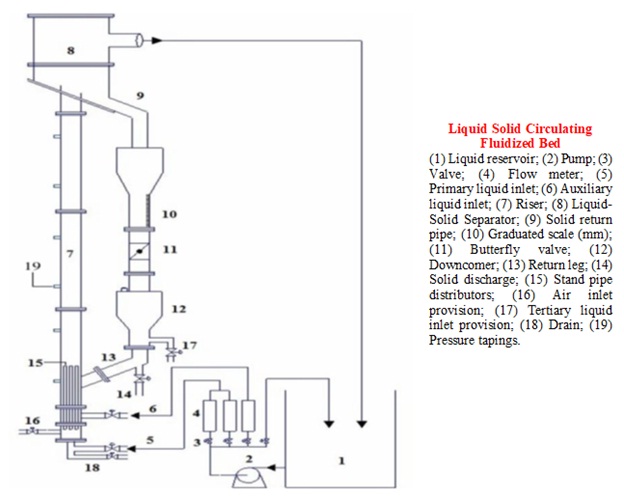
Hydrodynamics in a Liquid Solid Circulating Fluidized Bed–A Review

Hydrodynamics in a Liquid Solid Circulating Fluidized Bed–A Review

Volume 1, Issue 2, Winter 2019, Pages 114-129

https://doi.org/10.33945/SAMI/JCR.2019.1.114129

G. S. Nirmala, L. Muruganandam

Abstract Liquid solid circulating fluidised bed and its performance at various operating conditions have been critically reviewed and reported. Hydrodynamic includes pressure drop across the bed, phase hold up distribution, flow regime, flow structure of each phase and solid circulation rate. Detailed analysis of axial and radial solid distributions, average solid holdup, solid circulation rate, critical transitional velocity for solid at different densities and fluids at varying viscosities was reported. The effect of the increase in liquid viscosity during heat and mass transfer phenomena in LSCFB has to be studied extensively as the industrial processing fluids are highly viscous.

A Review on Plant Extract Mediated Green Synthesis of Zirconia Nanoparticles and Their Miscellaneous Applications

A Review on Plant Extract Mediated Green Synthesis of Zirconia Nanoparticles and Their Miscellaneous Applications

Volume 1, Issue 3, Summer 2019, Pages 154-163

https://doi.org/10.33945/SAMI/JCR.2019.3.1

Amol Nikam, Trupti Pagar, Suresh Ghotekar, Khanderao Pagar, Shreyas Pansambal

Abstract Development of reliable and environmentally gracious routes for the fabrication of metal oxide nanoparticles is a crucial step in nano-biotechnology. Among the all zirconia nanoparticles (ZrO2 NPs) draws more attention due to its significant biocompatible, electrical, mechanical, and optical properties. Many natural biomolecules in plant extracts such as alkaloids, amino acids, enzymes, proteins, polysaccharides, polyphenols, steroid, and vitamins could be involved in bioreduction, formation, and stabilization of ZrO2 NPs. In the last decade, numerous efforts were made to develop ecofriendly methods of synthesis to avoid the hazardous byproducts. In this review, green synthesis of ZrO2 NPs, their characterization techniques, and miscellaneous applications were discussed.

Keywords Cloud